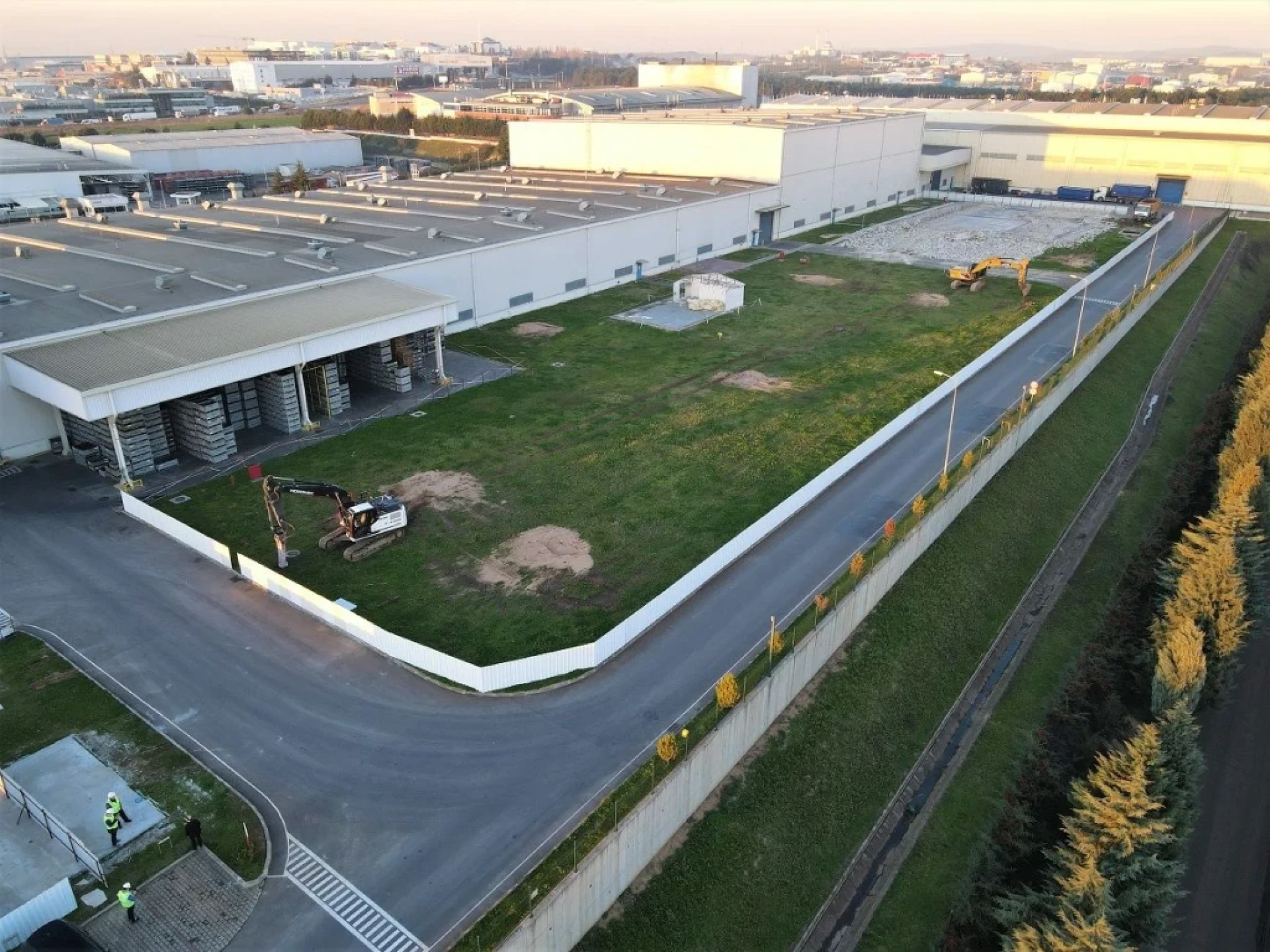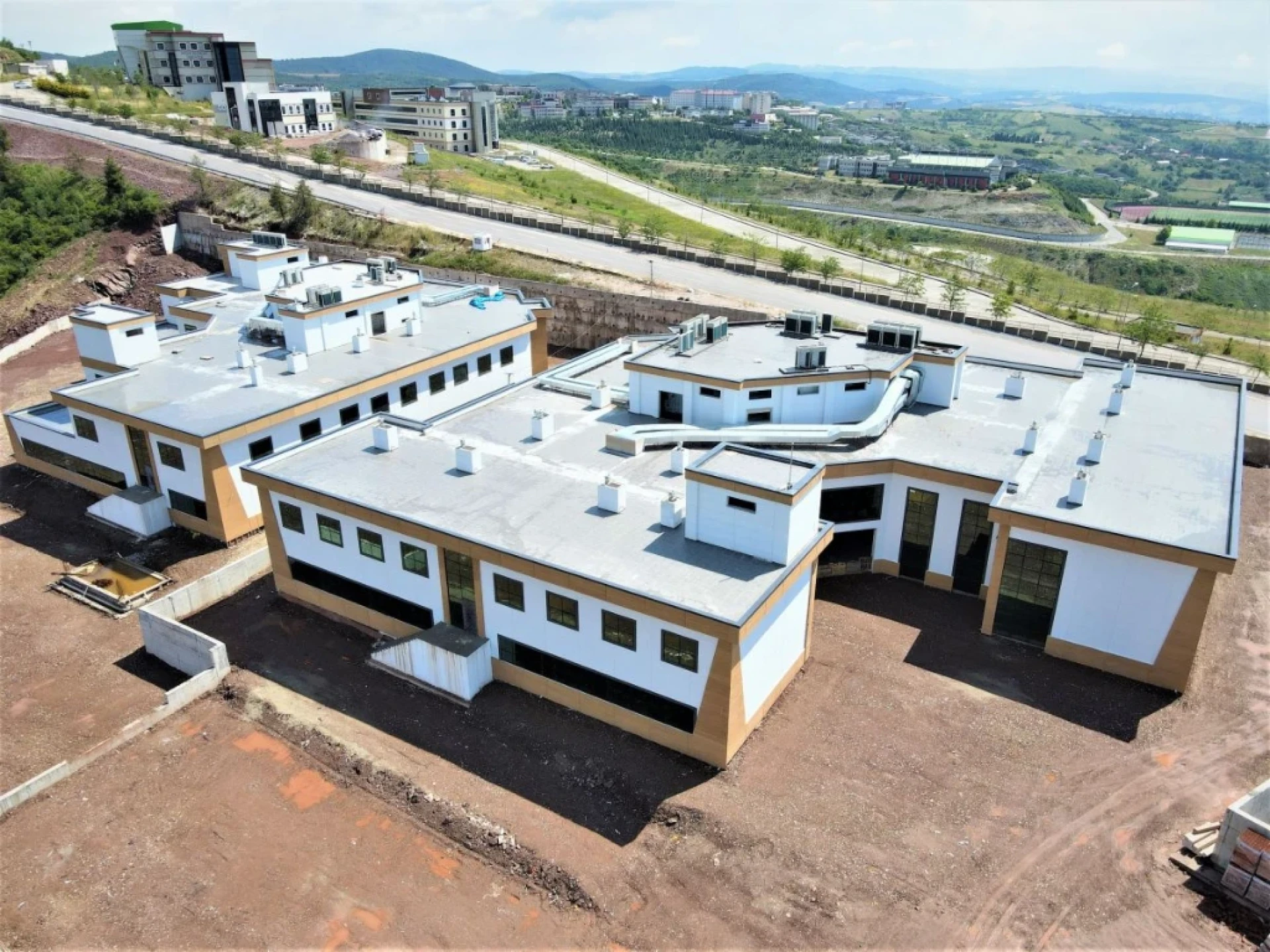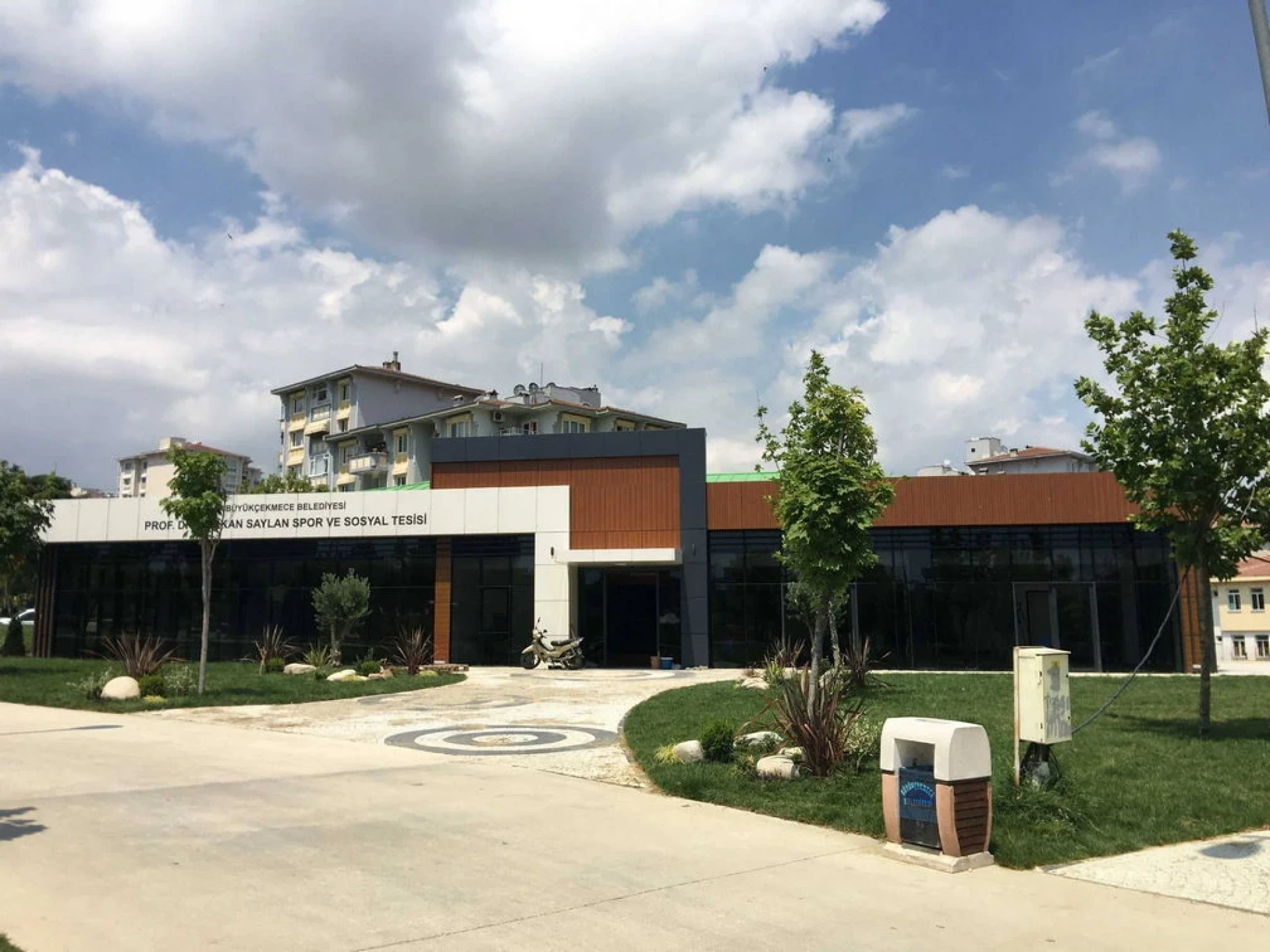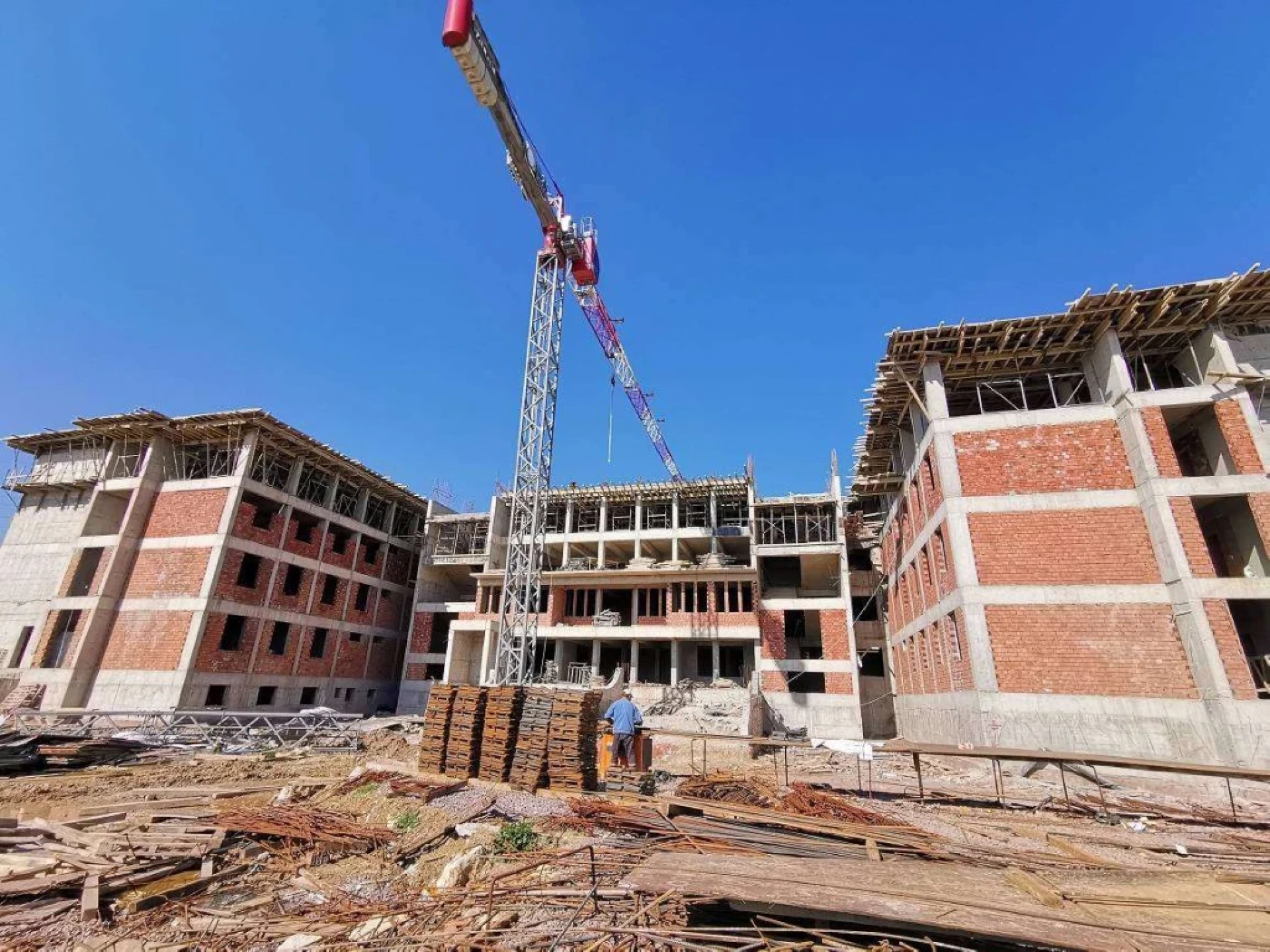

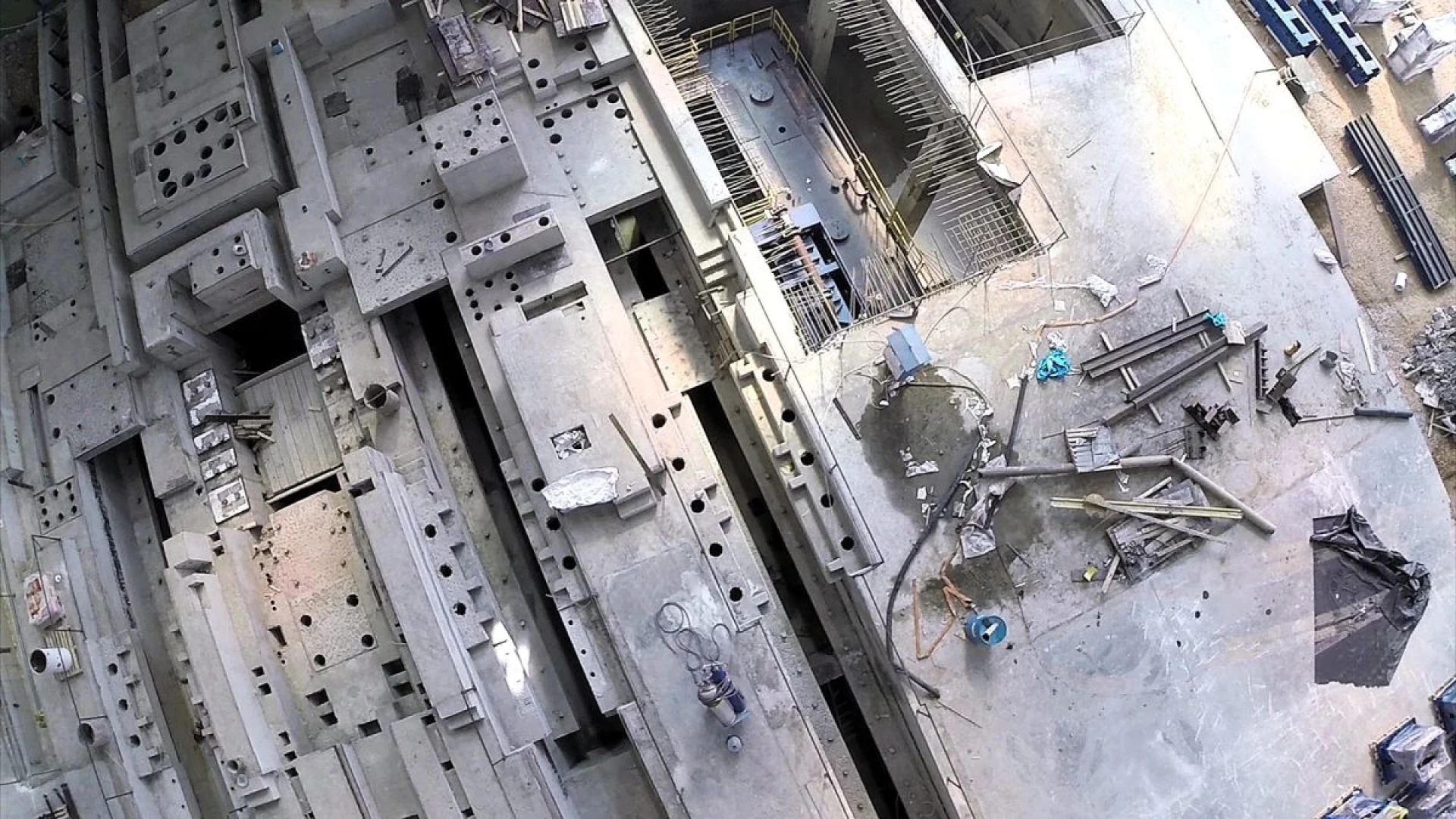
Industrial facilities and heavy industry structures are the backbone of modern economy and production. However, the construction of these massive structures requires highly precise and advanced engineering solutions, completely distinct from standard residential or commercial building projects. Factories, rolling mills, and production lines are subjected not only to environmental loads but also to the dynamic vibrations and continuous operational weights of high-tonnage machinery. Therefore, the key to building a sustainable and safe production environment lies in meticulous engineering standards.
The first step to success in industrial facility construction is accurate soil analysis and appropriate foundation engineering. In particular, machine foundation concrete poured for presses, furnaces, and rolling mills used in heavy industry lines must possess much higher strength and specific reinforcement designs than ordinary structural concrete. Failure to correctly transfer dynamic loads to the ground can cause severe structural deformations over time, resulting in massive financial losses in production efficiency.
Another critical element is turnkey process management. The construction of an industrial building demands integrated architectural planning, ranging from structural steel assembly and industrial floor coatings to mechanical installation integration and high-security fire and insulation systems. When establishing factory expansion areas and new production bases, the future growth projections of the enterprise must be taken into account. Modular and expandable designs enable brands to adapt to future capacity increases with minimal structural costs.
In conclusion, industrial facility and heavy industry investments must be realized with profound engineering expertise and operational experience. Projects that combine advanced construction technologies with rigorous corporate standards not only maximize occupational safety but also extend the production lifespan of the facility for generations.