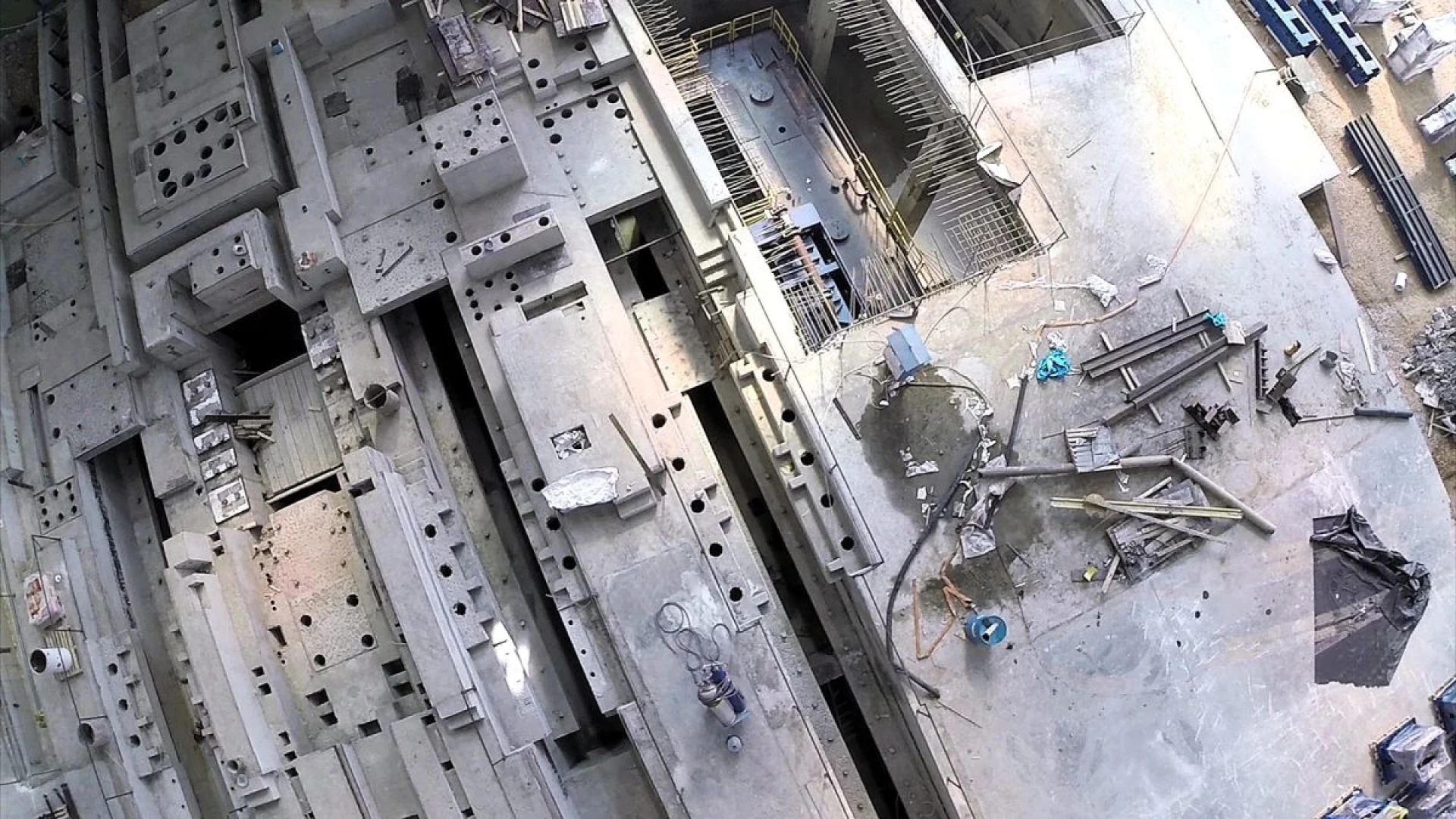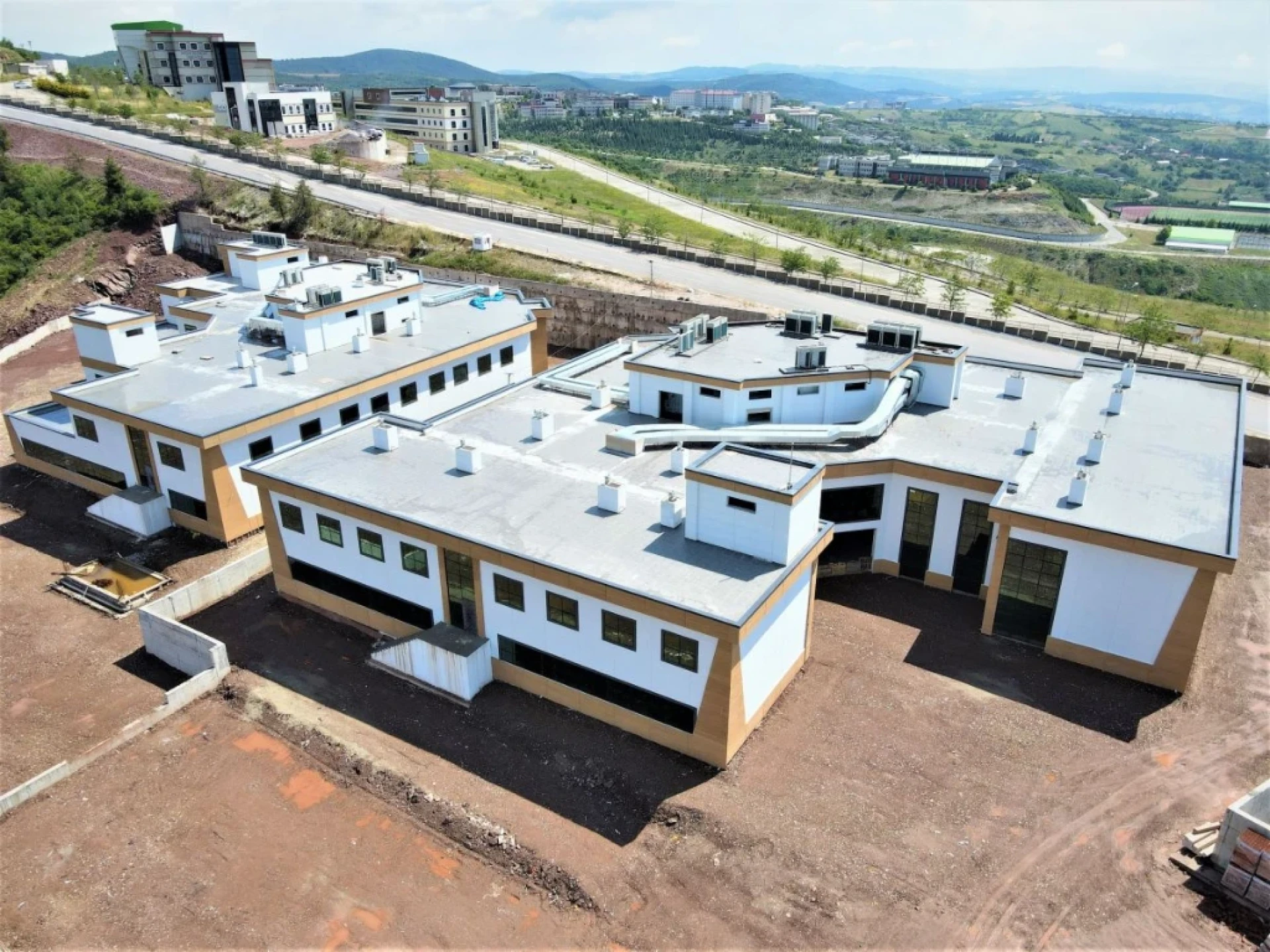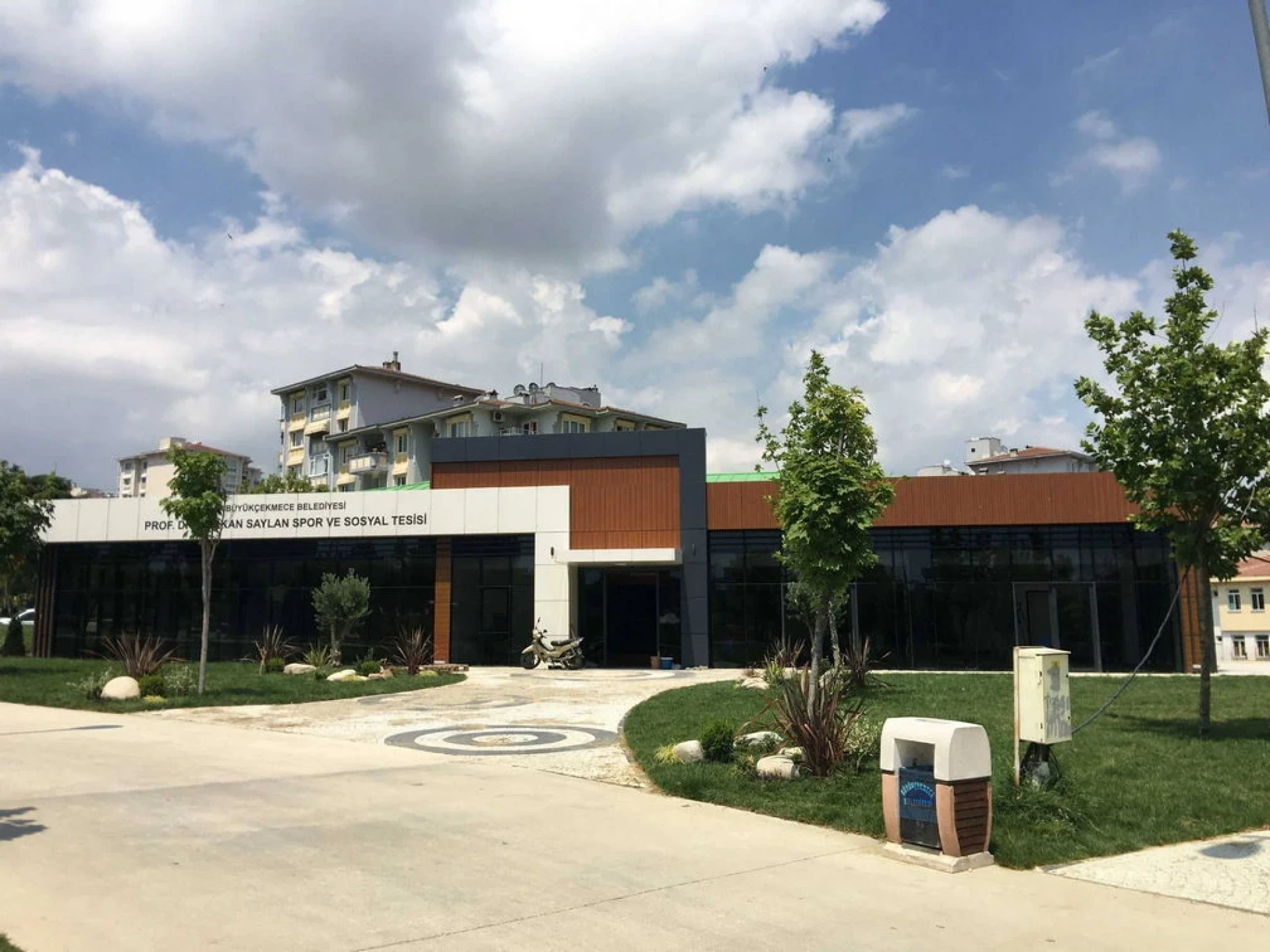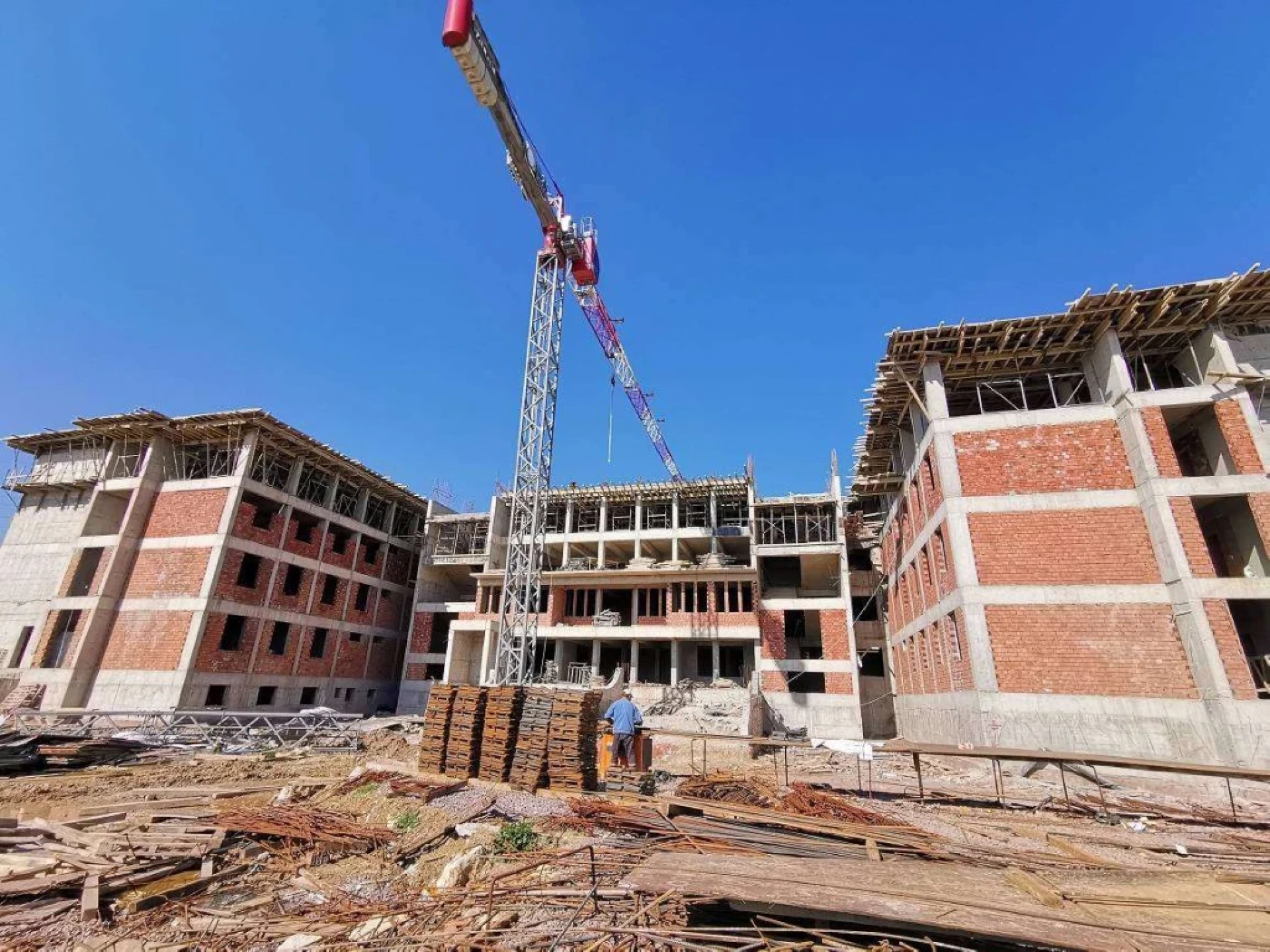

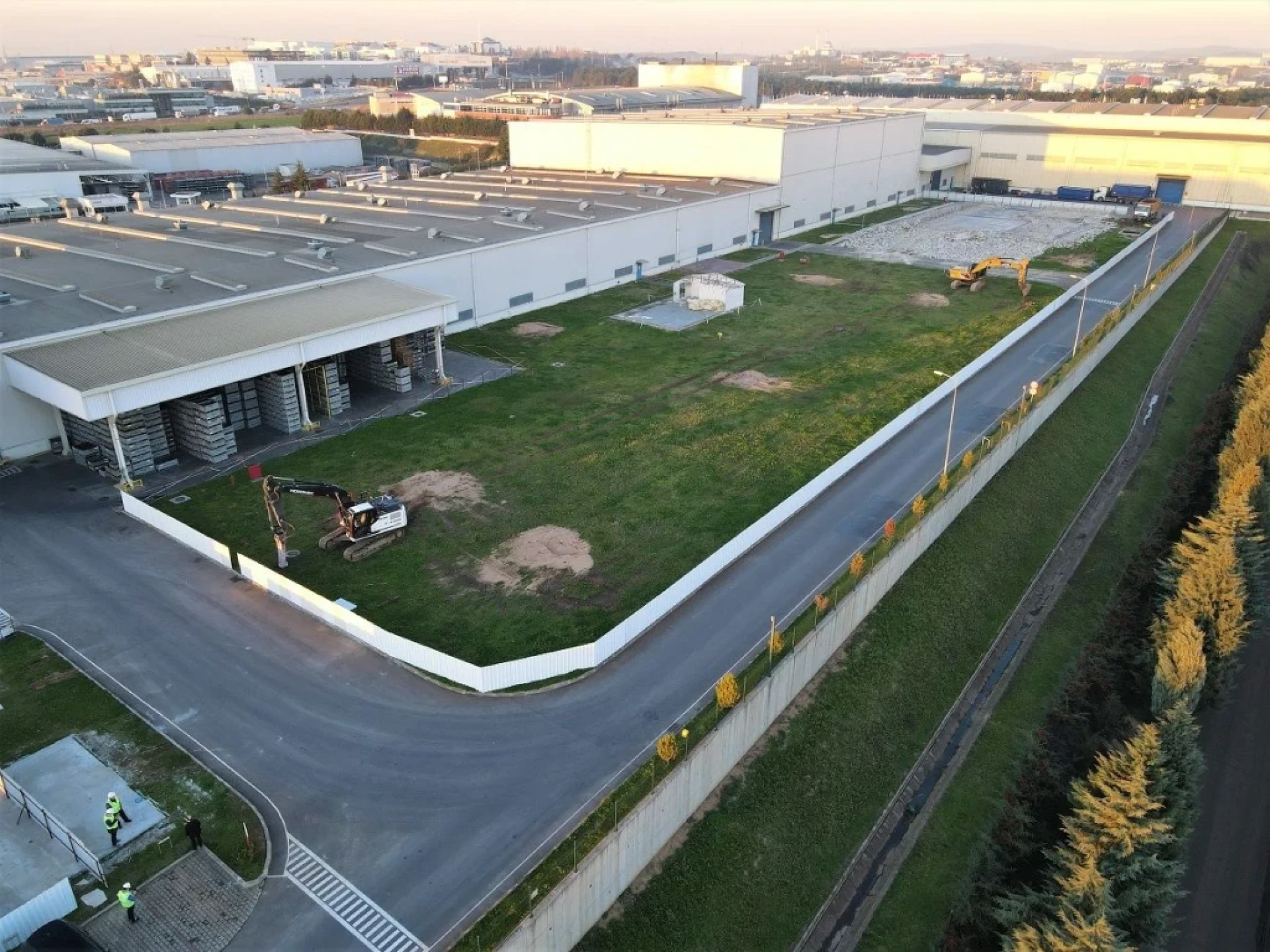
No matter how spectacular the massive buildings and modern factories rising above a city or an Organized Industrial Zone (OIZ) are, the true strength and sustainability of a structure are hidden underground. Infrastructure engineering is the invisible foundation that ensures the uninterrupted continuity of modern life and industrial production, encompassing everything from drinking water supply and sewage networks to rainwater discharge lines, regional excavation, filling, and road construction.
Industrial infrastructure requirements, in particular, extend far beyond domestic needs. The wastewater management processes of heavy industrial plants, high-volume drinking and process water requirements, and chemical discharge lines demand top-tier hydraulic calculations and durable material engineering. A minor engineering flaw in these sectors could halt production across the entire industrial zone or cause severe environmental contamination. Therefore, the design and sealing quality of main transmission lines are of critical importance.
In addition, the modernization of existing infrastructures has become a major necessity alongside urbanization and industrial growth. In projects involving partial sewage lines, septic tank connections, and the expansion of existing networks, fast and effective solutions must be generated without causing environmental disruption. Thanks to advanced excavation technologies and precise site management, the flow of urban life remains undisturbed while infrastructure systems are made ready for future population and production density.
A properly designed infrastructure project does not merely solve today's issues; it lays the groundwork for a smart and sustainable future. Corporate infrastructure contracting services based on high engineering standards and a robust machinery fleet stand as the greatest guarantee for modern industries and developing cities.