
The Invisible Strength of Cities and Industry: Infrastructure Networks
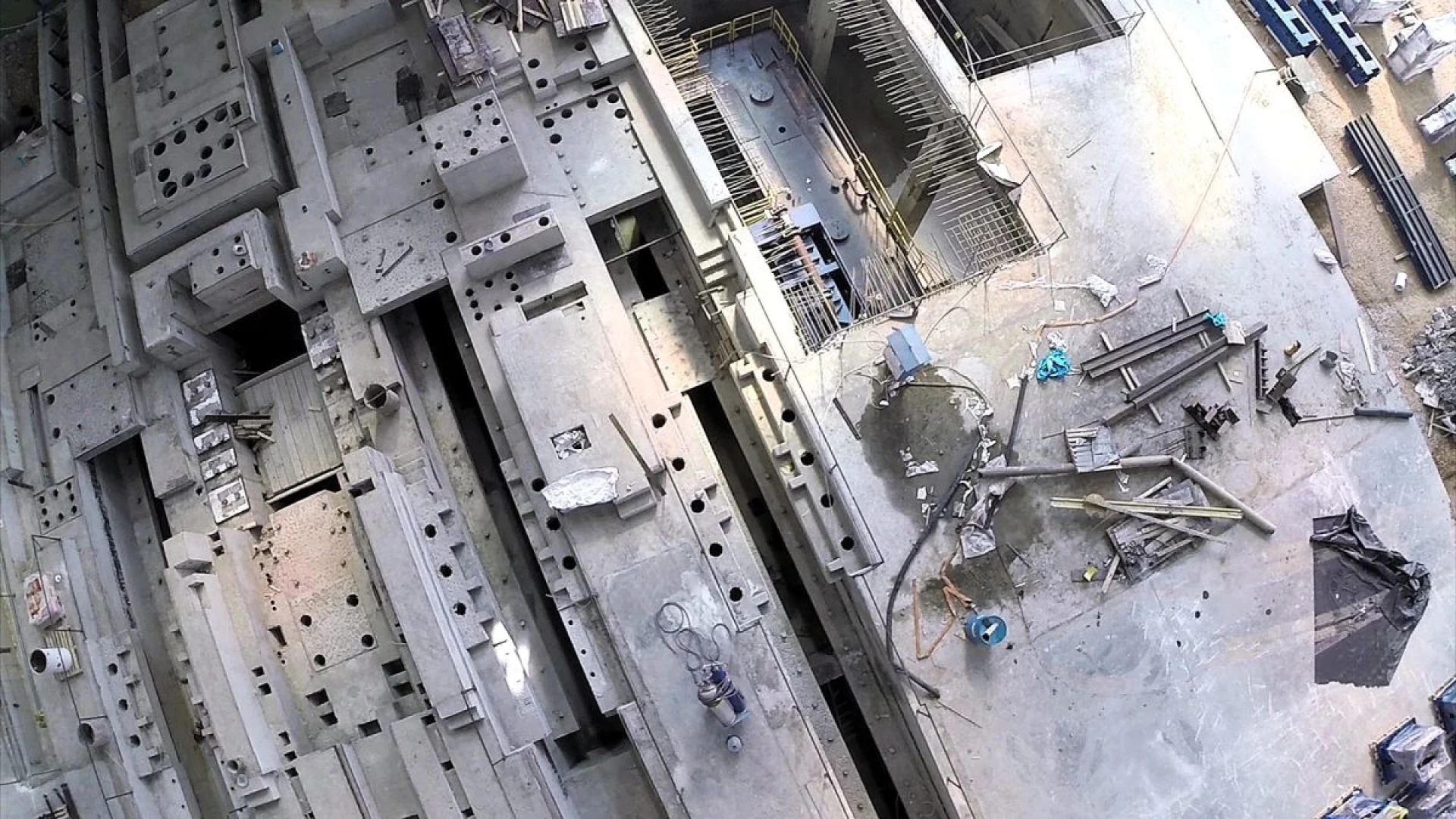
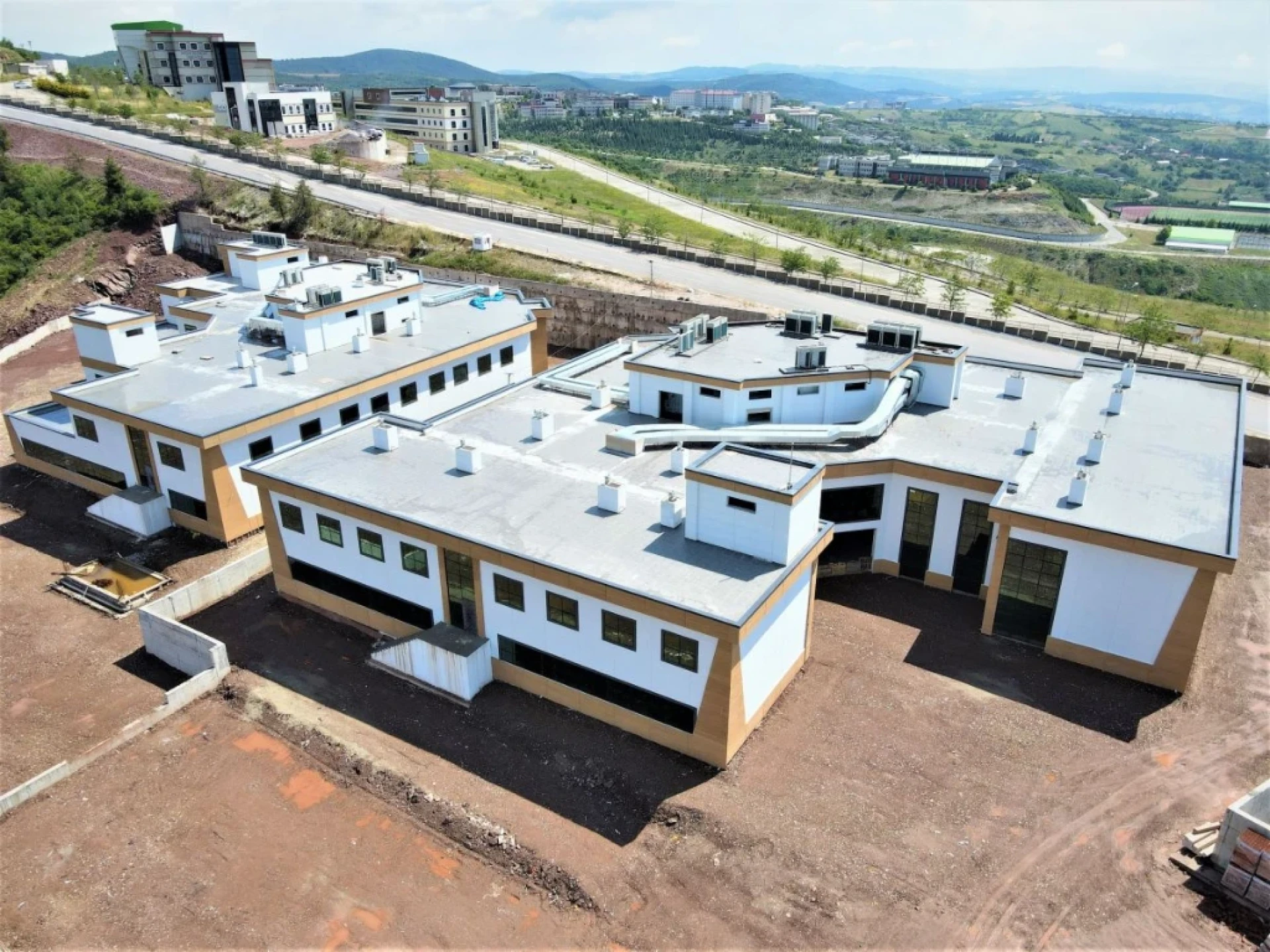
No matter how flawlessly modern factories, business centers, or mass housings rising in the superstructure are designed, the functionality of these buildings depends on the strength of the infrastructure networks underground. Infrastructure works, encompassing clean drinking water supply, wastewater and sewage lines, rainwater discharge systems, and regional roads, are the lifelines that ensure the uninterrupted continuity of modern life and industrial production.
Infrastructure Engineering in Organized Industrial Zones (OIZ)
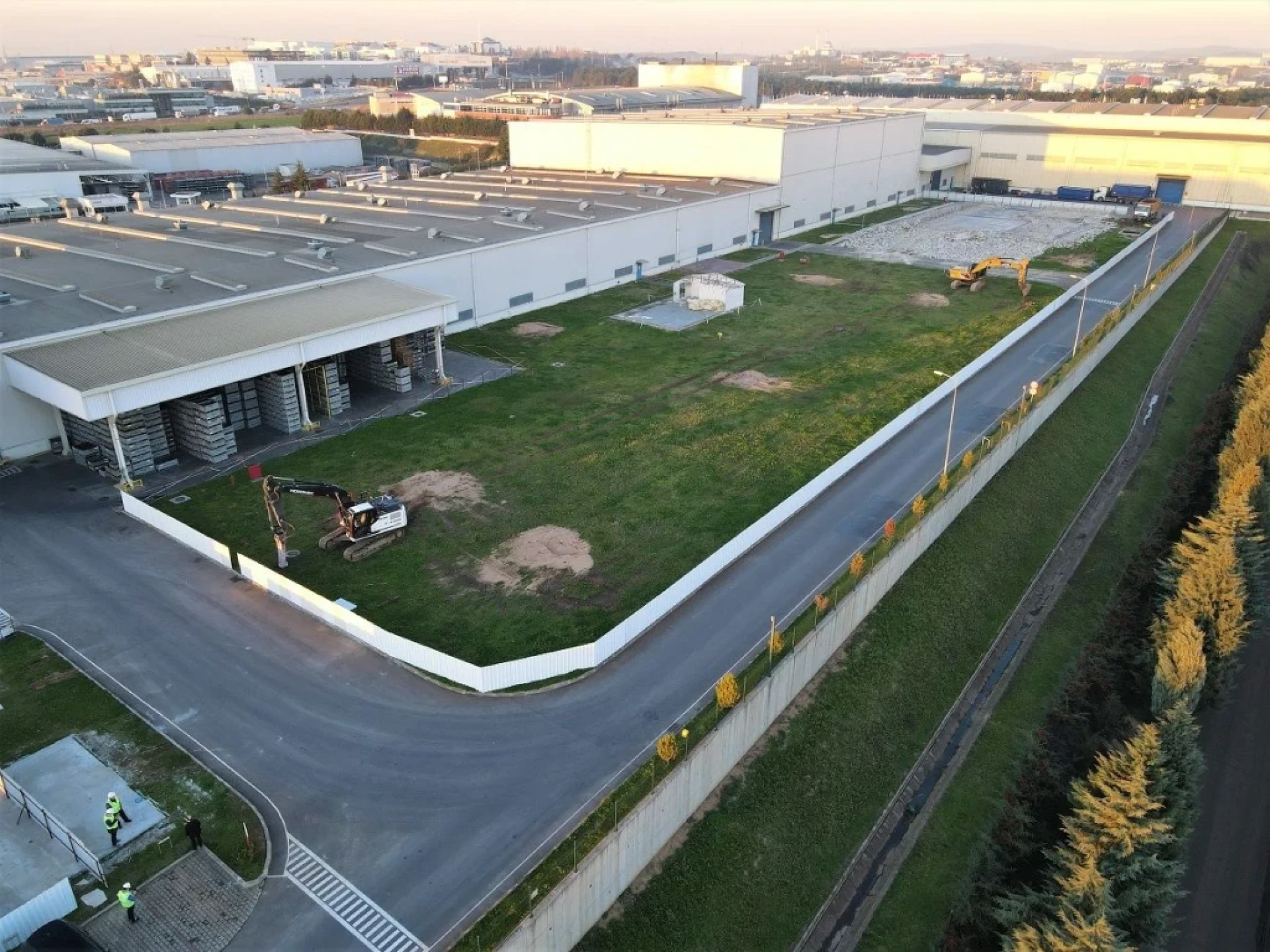
Infrastructure needs in industrial zones require much higher capacity and durability compared to domestic networks. The high-volume wastewater management processes of factories, chemical discharge lines, and continuous water supply needs must be configured with precise hydraulic calculations. A minor engineering mistake in OIZ internal infrastructure operations can halt all production facilities; therefore, laying high-strength infrastructure pipes and conducting leak tests are of critical importance.
Urban Line Expansion and Partial Sewage Construction
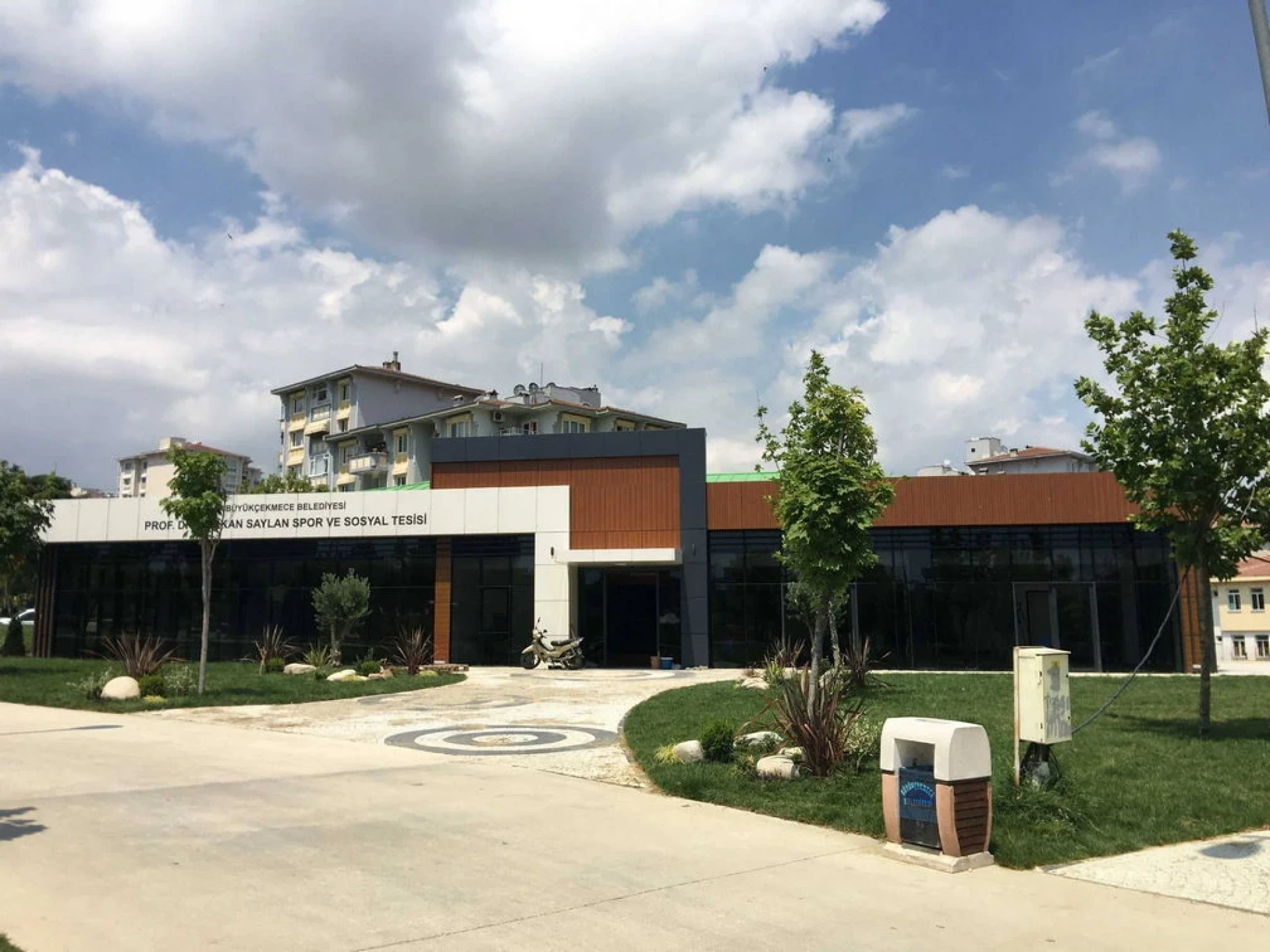
In developing cities, the inadequacy of existing networks necessitates the construction of partial sewage systems, septic tank connections, and new drinking water transmission lines. The biggest challenge in urban infrastructure contracting projects is executing the operation without disrupting daily city life and traffic. Thanks to advanced excavation technologies, a robust construction machinery fleet, and expert site management, infrastructure lines are prepared for future population density with minimum disturbance to the environment.