
The Role of Modern Sports Structures in Urban Life
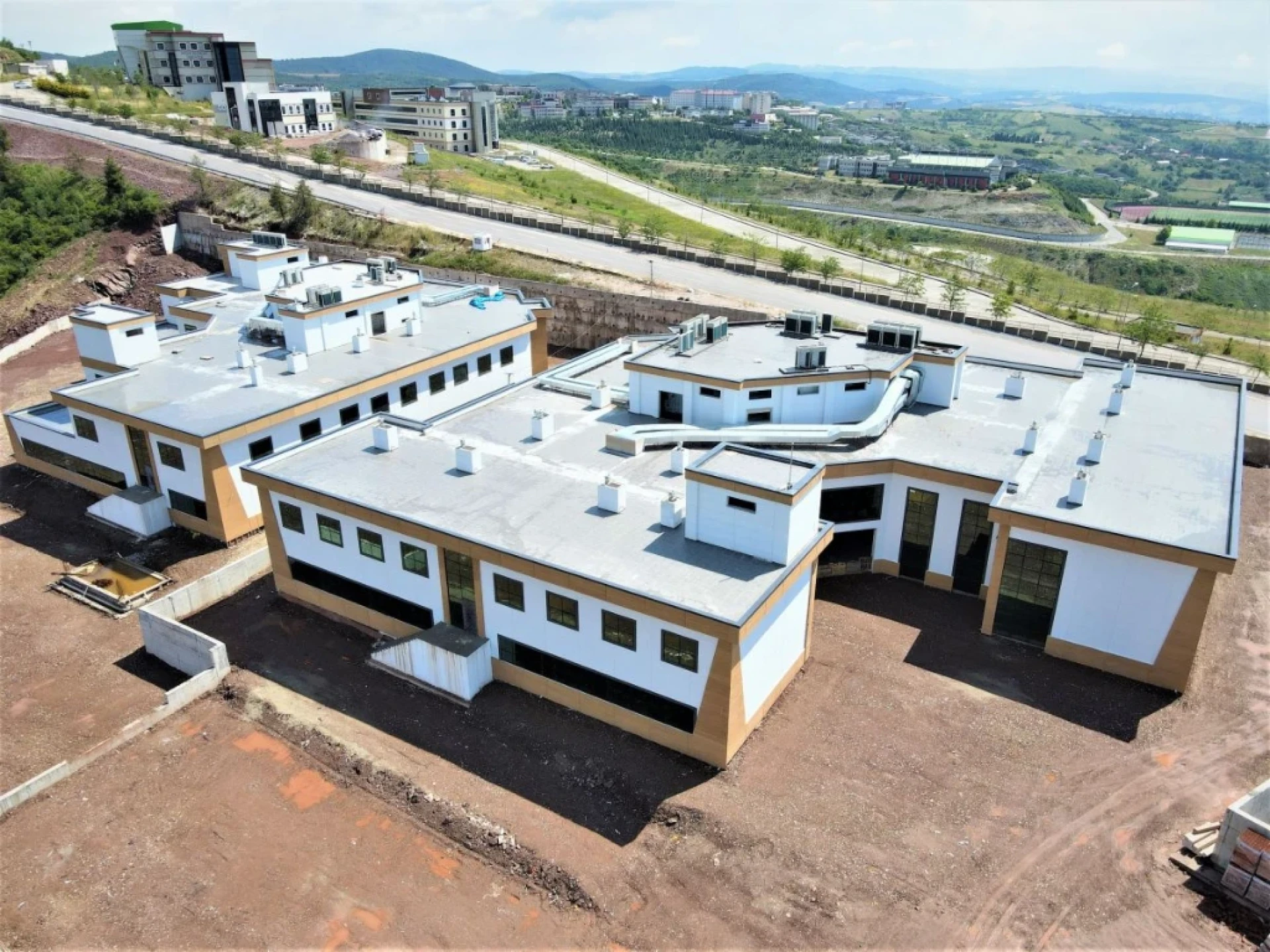
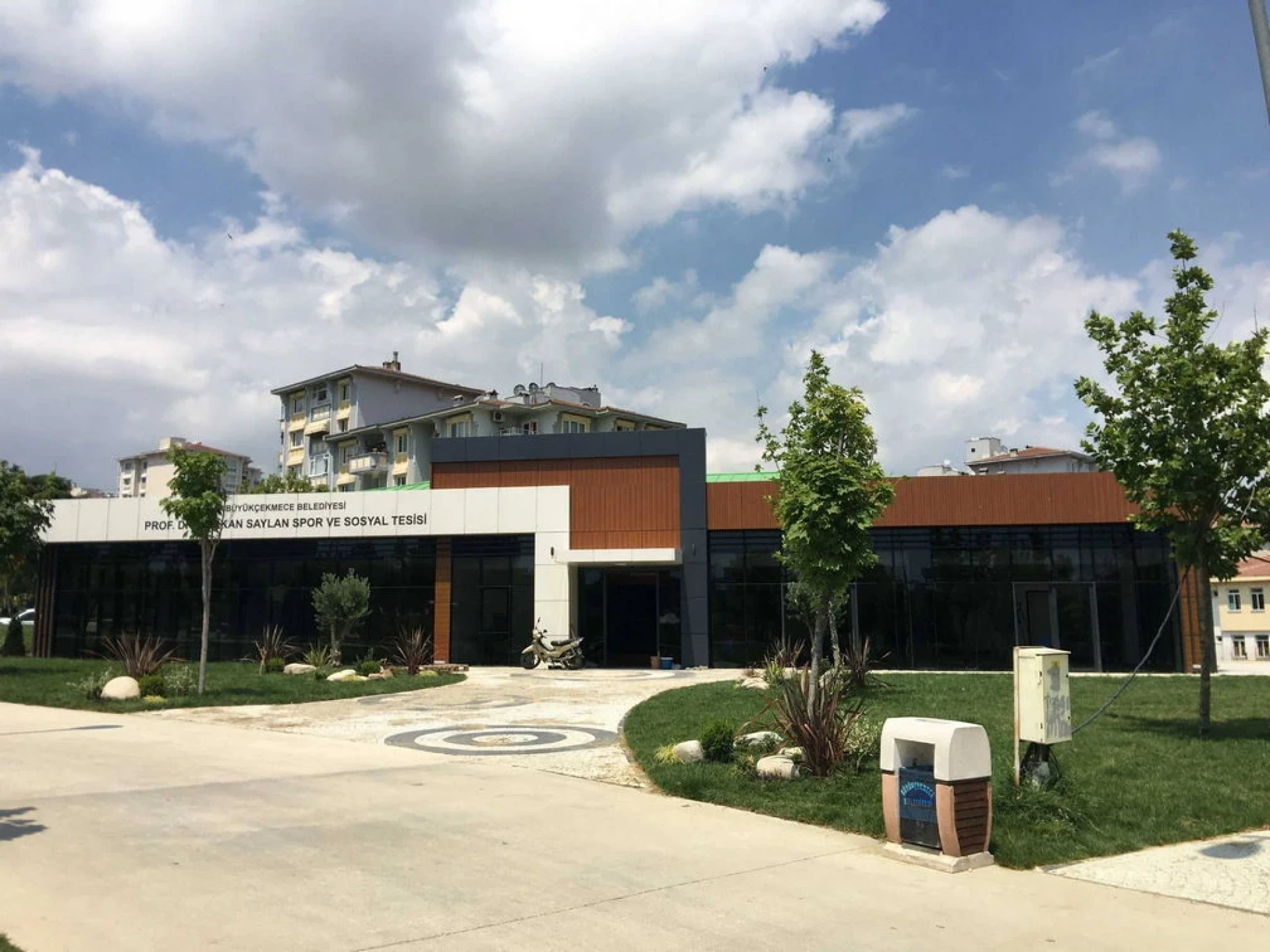
The modern approach to urbanization extends beyond constructing merely residential and workspaces, making it essential to configure areas that support the social and physical development of individuals. In this regard, indoor sports halls, swimming pools, and multi-purpose social facilities built for municipalities, educational institutions, and corporate brands stand among the most important superstructure investments adding value to the city's vision. The construction of a professional sports complex is an interdisciplinary process where aesthetic design merges with advanced engineering solutions.
Wide-Span Structural Steel and Structural Safety
The most distinctive feature of structures such as sports halls and stadiums is the large spans that must be crossed without using internal columns. This architectural necessity requires the utilization of steel roofs and advanced engineered structural steel systems. The fabrication of high-capacity steel modules and their millimetric assembly on site maximizes the structure's safety against seismic risks and harsh weather conditions.
Functional Interior Architecture and Acoustic Solutions
The success of a sports facility is directly related to the functional layout and material quality within the interior space. Every detail, from sports flooring coatings and grandstand layouts to athlete locker rooms, ventilation, and lighting automations, must comply with international federation standards (FIBA, UEFA, etc.). Furthermore, utilizing proper acoustic panels in multi-purpose conference and sports halls optimizes sound distribution inside the venue, providing versatile usage comfort.